5 Natural Ways to Treat and Prevent Plantar Fasciitis
Are you living with the sharp, stabbing pain of plantar fasciitis? If so, then you’re in the right place. Here we explore five natural treatments for plantar fasciitis that are free of medications and expensive medical procedures. We will talk about self-massage techniques, stretching exercises to improve your posture and flexibility, nutrition tips designed to reduce inflammation symptoms, acupressure points for relief from foot pain & tenderness as well as lifestyle changes that can make a huge difference in your quality of life.
Performing Regular Daily Stretches
For athletes, runners, and those who spend long hours on their feet, stretching is paramount to maintaining the health of the feet. Regular daily stretches for plantar fasciitis can help to loosen the muscles and tendons of the feet, thus preventing plantar fasciitis from occurring. Plantar fasciitis is a common condition characterized by inflammation and pain in the heel and foot, and it can even lead to immobility if left untreated. By incorporating stretches into your daily routine, you can minimize the risk of developing this condition. Whether it’s through yoga, Pilates, or simply engaging in a few stretches in the morning, taking just a few minutes to stretch your feet can have a profound impact on your overall foot health.
 Daily Exercise for Plantar Fasciitis
Applying Ice Packs to Affected Area
Plantar fasciitis can be a pesky foot condition, causing discomfort and pain to individuals who suffer from it. Fortunately, there are simple remedies to alleviate the pain, and one of them is using ice packs. When applied to the affected area, ice can help reduce inflammation and swelling, providing a sense of relief for those dealing with plantar fasciitis. However, it’s essential to remember not to apply ice directly to the skin and limit the ice pack duration to 15-20 minutes to avoid tissue damage. If you’re dealing with plantar fasciitis, give ice packs a try as part of your treatment plan and see if it can be an effective aid in alleviating your discomfort.
Light Massage of Affected Area
Massage therapy involves the manual manipulation of soft tissues in the body to alleviate pain, reduce stress, and improve flexibility. Scar tissue often forms as a result of an injury or surgery and can cause stiffness and discomfort in the affected area. Gentle massage techniques can help break up this scar tissue and promote healing. It can also help to release tightness in the muscles, which can improve circulation and reduce pain. Massage therapy offers a natural and non-invasive approach to healing that can benefit anyone seeking relief from discomfort caused by scar tissue.
Arch Support
Arch support is a crucial component of a shoe’s design, as it can provide a wealth of benefits for your feet. With good arch support, you can experience extra cushioning for the arch of your foot, which in turn can reduce the risk of injury and alleviate pain. Proper arch support can also help improve your posture and reduce discomfort in other areas of your body, such as your knees and hips. By investing in shoes with good arch support, you can take an important step towards ensuring long-term foot health and comfort.
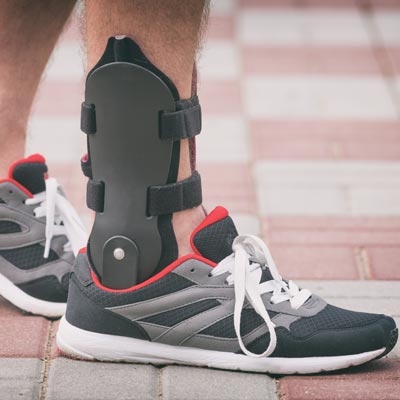 Arch Supporting Shoes
Orthotic Devices
Orthotic devices are an effective solution to reduce the pain caused by plantar fasciitis. These devices are designed to support the arch of your foot and help distribute weight evenly, reducing the stress and strain on your plantar fascia ligament. With regular use, orthotic devices can help alleviate pain while walking or standing, making everyday activities more comfortable. Not only do they help to reduce pain, but they can also improve the overall health of your feet, as they help to keep your feet in their optimal position. Consult with your healthcare provider to determine what type of orthotics are best suited for your needs.
Plantar fasciitis can be a painful condition that affects many people. It is important to take the necessary measures to prevent plantar fasciitis or treat it if you already have it. Stretching your foot muscles, applying ice, and getting a massage are all great ways to help reduce the pain of plantar fasciitis. Plantar fasciitis may be difficult to deal with, but if you take these tips into consideration along with the guidance of your healthcare provider, you’ll be on the road to recovering from plantar fasciitis in no time!
Flagstaff Foot Doctors: Anthony Rosales DPM
https://www.google.com/maps?cid=8835841318590452161
421 N Humphreys St, Flagstaff, AZ 86001, United States
(928) 774-4825
https://flagstafffootandankle.com/
