Achilles Tendon Injuries in Soccer Players

Achilles tendon injuries are common among soccer players due to repetitive running, sudden acceleration, and frequent jumping. Achilles tendinopathies refer to chronic irritation or degeneration of the tendon, often resulting in pain, swelling, and reduced performance. Mid portion Achilles tendinopathy affects the middle section of the tendon and typically develops from overuse, while insertion Achilles tendinopathy occurs where the tendon attaches to the heel bone and may involve inflammation or bone spurs. Symptoms may include stiffness, tenderness, swelling, and difficulty with explosive movements. A podiatrist can evaluate the extent of injury, provide targeted treatment, including orthotics, activity modification, and recommend surgical options, if necessary. If you have sustained an Achilles tendon injury, it is suggested that you consult a podiatrist who can accurately diagnose the problem, and offer effective treatment solutions.

Achilles tendon injuries need immediate attention to avoid future complications. If you have any concerns, contact Anthony Rosales, DPM of Flagstaff Foot Doctors. Our practitioner can provide the care you need to keep you pain-free and on your feet.

What Is the Achilles Tendon?

The Achilles tendon is a tendon that connects the lower leg muscles and calf to the heel of the foot. It is the strongest tendon in the human body and is essential for making movement possible. Because this tendon is such an integral part of the body, any injuries to it can create immense difficulties and should immediately be presented to a doctor.

What Are the Symptoms of an Achilles Tendon Injury?

There are various types of injuries that can affect the Achilles tendon. The two most common injuries are Achilles tendinitis and ruptures of the tendon.

Achilles Tendinitis Symptoms

  • Inflammation
  • Dull to severe pain
  • Increased blood flow to the tendon
  • Thickening of the tendon

Rupture Symptoms

  • Extreme pain and swelling in the foot
  • Total immobility

Treatment and Prevention

Achilles tendon injuries are diagnosed by a thorough physical evaluation, which can include an MRI. Treatment involves rest, physical therapy, and in some cases, surgery. However, various preventative measures can be taken to avoid these injuries, such as:

  • Thorough stretching of the tendon before and after exercise
  • Strengthening exercises like calf raises, squats, leg curls, leg extensions, leg raises, lunges, and leg presses

If you have any questions please feel free to contact our office located in Flagstaff, AZ . We offer the newest diagnostic tools and technology to treat your foot and ankle needs.
Read more about What are Achilles Tendon Injuries

Understanding the Main Types of Diabetic Foot Ulcers

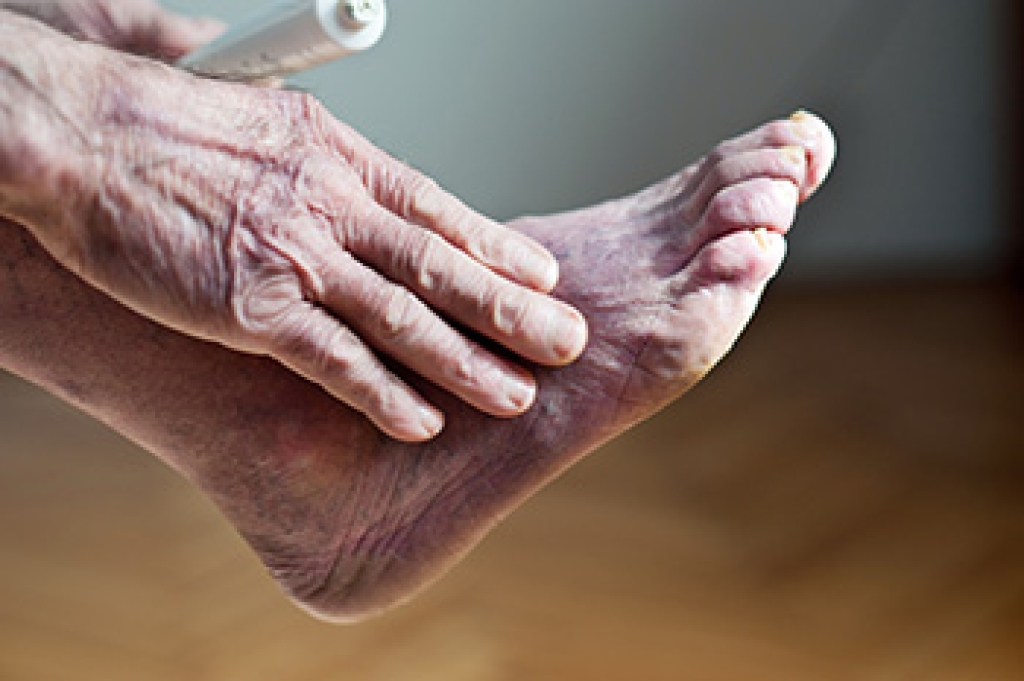
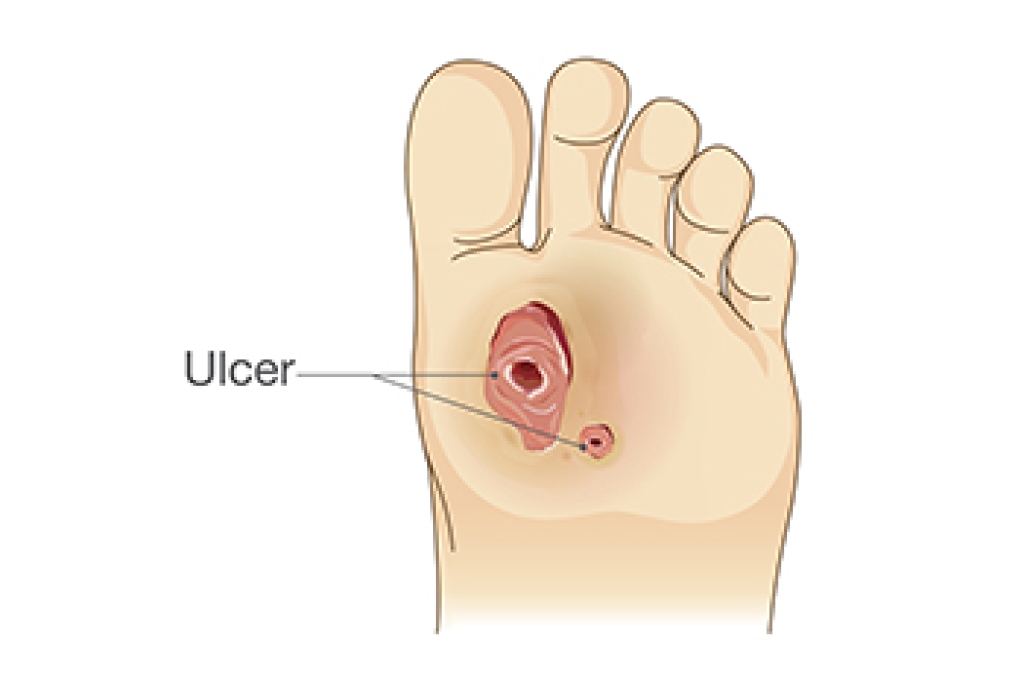
Diabetic foot ulcers are open wounds that can form when long-term diabetes damages nerves or reduces circulation in the lower extremities. These wounds are often grouped into three categories based on the main cause. Purely neuropathic ulcers develop when nerve damage reduces feeling in the foot. Because sensation is limited, a person may not notice pressure, rubbing, or small injuries, allowing the skin to break down over time. Purely ischemic ulcers are related to poor blood flow. When circulation to the feet is reduced, the skin and tissues receive less oxygen and nutrients, which makes healing slow and increases the risk of tissue damage. Mixed neuroischemic ulcers involve both nerve damage and poor circulation. This combination can make injuries harder to detect and more difficult for the body to repair. If you have diabetes and a sore on the foot does not heal normally or becomes painful or swollen, it is suggested that you promptly see a podiatrist for a proper diagnosis and appropriate treatment.

Diabetic foot care is important in preventing foot ailments such as ulcers. If you are suffering from diabetes or have any other concerns about your feet, contact Anthony Rosales, DPM from Flagstaff Foot Doctors. Our practitioner can provide the care you need to keep you pain-free and on your feet.

Diabetic Foot Care

Diabetes affects millions of people every year. The condition can damage blood vessels in many parts of the body, especially the feet. Because of this, taking care of your feet is essential if you have diabetes, and having a podiatrist help monitor your foot health is highly recommended.

The Importance of Caring for Your Feet

  • Routinely inspect your feet for bruises or sores.
  • Wear socks that fit your feet comfortably.
  • Wear comfortable shoes that provide adequate support.

Patients with diabetes should have their doctor monitor their blood levels, as blood sugar levels play such a huge role in diabetic care. Monitoring these levels on a regular basis is highly advised.

It is always best to inform your healthcare professional of any concerns you may have regarding your feet, especially for diabetic patients. Early treatment and routine foot examinations are keys to maintaining proper health, especially because severe complications can arise if proper treatment is not applied.

If you have any questions, please feel free to contact our office located in Flagstaff, AZ . We offer the newest diagnostic and treatment technologies for all your foot care needs.

Read more about How to Care for Diabetic Foot

Understanding the Different Causes of Pain Beneath the Heel

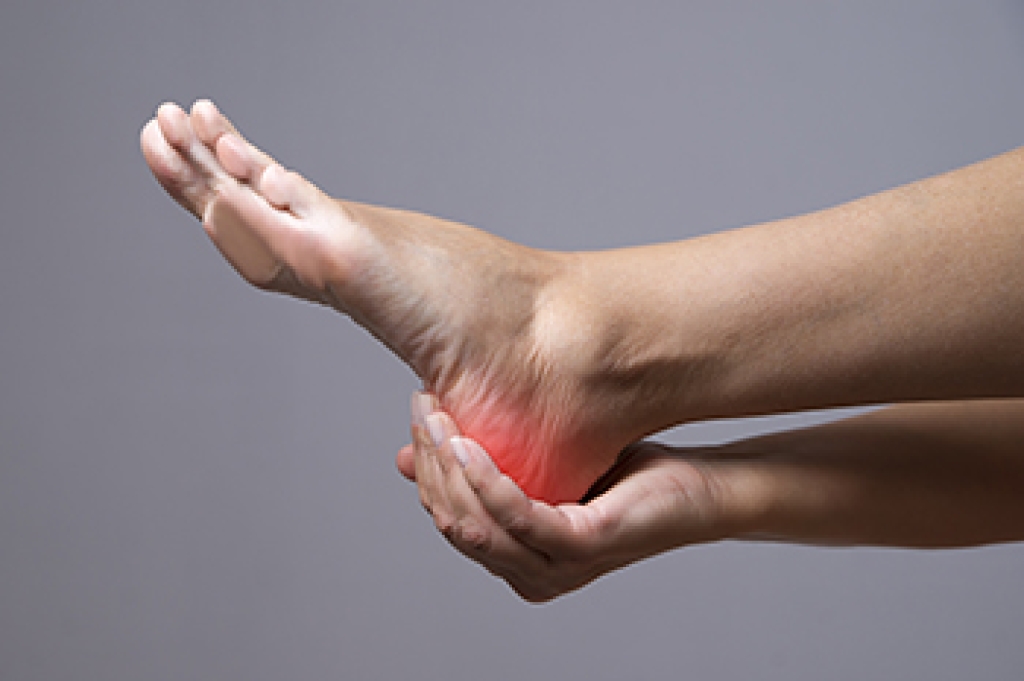
Pain under the heel is a frequent complaint and can stem from several conditions. The most common cause is plantar fasciitis involving irritation of the thick band of tissue that supports the arch. This often leads to sharp discomfort with the first steps in the morning, or after long periods of rest. Tenderness is usually felt along the bottom of the heel. Another source may be a stress injury to the heel bone. This type of pain often worsens with activity, and may feel deeper or more constant. Nerve irritation can also create burning, tingling, or shooting sensations that travel into the arch. In some cases, thinning of the natural fat pad under the heel reduces cushioning and leads to soreness when standing on hard surfaces. Because symptoms can overlap, a careful examination is important. If you have ongoing pain beneath your heel, it is suggested that you see a podiatrist for a proper diagnosis and appropriate treatment.

Many people suffer from bouts of heel pain. For more information, contact Anthony Rosales, DPM of Flagstaff Foot Doctors. Our practitioner can provide the care you need to keep you pain-free and on your feet.

Causes of Heel Pain

Heel pain is often associated with plantar fasciitis. The plantar fascia is a band of tissues that extends along the bottom of the foot. A rip or tear in this ligament can cause inflammation of the tissue.

Achilles tendonitis is another cause of heel pain. Inflammation of the Achilles tendon will cause pain from fractures and muscle tearing. Lack of flexibility is also another symptom.

Heel spurs are another cause of pain. When the tissues of the plantar fascia undergo a great deal of stress, it can lead to ligament separation from the heel bone, causing heel spurs.

Why Might Heel Pain Occur?

  • Wearing ill-fitting shoes                
  • Wearing non-supportive shoes
  • Weight change           
  • Excessive running

Treatments

Heel pain should be treated as soon as possible for immediate results. Keeping your feet in a stress-free environment will help. If you suffer from Achilles tendonitis or plantar fasciitis, applying ice will reduce the swelling. Stretching before an exercise like running will help the muscles. Using all these tips will help make heel pain a condition of the past.

If you have any questions, please feel free to contact our office located in Flagstaff, AZ . We offer the newest diagnostic and treatment technologies for all your foot care needs.

Read more about Heel Pain

When Diabetes Reduces Blood Flow to the Feet

Diabetes can have a significant impact on blood flow to the legs and feet. Over time, elevated blood sugar levels damage blood vessels, causing them to narrow and stiffen. This reduces circulation to the lower extremities, and limits the delivery of oxygen and nutrients needed for healthy tissue. Poor blood flow slows wound healing and makes the feet more vulnerable to ulcers and infection, even from minor injuries. People may notice cold feet, skin color changes, hair loss on the legs, or pain when walking that improves with rest. Because circulation problems often develop gradually, they may go unnoticed until complications appear. Ongoing circulation changes increase the risk of serious outcomes that affect mobility and independence. Routine foot checks and early attention to symptoms are important. If you have diabetes and notice changes in your feet, it is suggested you see a podiatrist for evaluation and appropriate care.

Poor circulation is a serious condition and needs immediate medical attention. If you have any concerns with poor circulation in your feet contact Anthony Rosales, DPM of Flagstaff Foot Doctors. Our practitioner will treat your foot and ankle needs.

Poor Circulation in the Feet

Poor blood circulation in the feet and legs is can be caused by peripheral artery disease (PAD), which is the result of a buildup of plaque in the arteries.

Plaque buildup or atherosclerosis results from excess calcium and cholesterol in the bloodstream. This can restrict the amount of blood which can flow through the arteries. Poor blood circulation in the feet and legs are sometimes caused by inflammation in the blood vessels, known as vasculitis.

Causes

Lack of oxygen and oxygen from poor blood circulation restricts muscle growth and development. It can also cause:

  • Muscle pain, stiffness, or weakness 
  • Numbness or cramping in the legs
  • Skin discoloration
  • Slower nail & hair growth
  • Erectile dysfunction

Those who have diabetes or smoke are at greatest risk for poor circulation, as are those who are over 50. If you have poor circulation in the feet and legs it may be caused by PAD and is important to make changes to your lifestyle in order to reduce risk of getting a heart attack or stroke. Exercise and maintaining a healthy lifestyle will dramatically improve conditions.

As always, see a podiatrist as he or she will assist in finding a regimen that suits you. A podiatrist can also prescribe you any needed medication. 

If you have any questions, please feel free to contact our office located in Flagstaff, AZ . We offer the newest diagnostic and treatment technologies for all your foot care needs.

Read more about Causes, Symptoms, and Treatment of Poor Blood Circulation in the Feet

Understanding the Progression of Gout in the Feet

Gout is a form of inflammatory arthritis that often affects the joints of the feet and progresses through distinct stages. Asymptomatic hyperuricemia occurs when uric acid levels rise, but no pain or swelling is present. Acute gout is marked by sudden flare episodes with intense joint pain, redness, warmth, and swelling, commonly in the big toe. Intercritical or interval gout refers to the symptom-free periods between flares, even though uric acid crystals remain in the joint. Additionally, chronic tophaceous gout develops after years of repeated attacks and involves ongoing pain, joint stiffness, and firm crystal deposits that can damage bone and soft tissue. Early stages may seem manageable, but progression can lead to lasting joint problems. Identifying the stage helps guide appropriate care and long-term management. If foot joint pain or repeated flares occur, it is suggested that you see a podiatrist for appropriate care.

Gout is a foot condition that requires certain treatment and care. If you are seeking treatment, contact Anthony Rosales, DPM from Flagstaff Foot Doctors. Our practitioner will treat your foot and ankle needs.

What Is Gout?

Gout is a type of arthritis caused by a buildup of uric acid in the bloodstream. It often develops in the foot, especially the big toe area, although it can manifest in other parts of the body as well. Gout can make walking and standing very painful and is especially common in diabetics and the obese.

People typically get gout because of a poor diet. Genetic predisposition is also a factor. The children of parents who have had gout frequently have a chance of developing it themselves.

Gout can easily be identified by redness and inflammation of the big toe and the surrounding areas of the foot. Other symptoms include extreme fatigue, joint pain, and running high fevers. Sometimes corticosteroid drugs can be prescribed to treat gout, but the best way to combat this disease is to get more exercise and eat a better diet.

If you have any questions, please feel free to contact our office located in Flagstaff, AZ . We offer the newest diagnostic and treatment technologies for all your foot care needs.

Read more about Everything You Need to Know About Gout
scroll to top