Plantar Warts vs. Corns & Calluses: How to Tell the Difference and Get Relief
Have you ever noticed a painful bump on your foot and wondered what it could be? You’re not alone. Foot bumps, whether they’re plantar warts, corns, or calluses, are more common than you might think. Many people struggle to tell the difference between these conditions, which can lead to improper treatment and prolonged discomfort.
Understanding what’s causing your foot pain is the first step toward getting the relief you deserve. While these conditions may look similar at first glance, they have different causes, appearances, and treatment approaches. Knowing how to identify them correctly can save you time, money, and unnecessary pain.
Dr. Anthony Rosales and the team at Flagstaff Foot and Ankle have been helping patients distinguish between these common foot conditions since 2005. With their expertise, thousands of people across Coconino and Yavapai Counties have found the right treatment for their specific needs.
Plantar Warts: An In-Depth Look
Plantar warts are skin growths caused by the human papillomavirus (HPV). Unlike other foot conditions, these warts are actually viral infections that develop on the weight-bearing areas of your feet, particularly the heels and balls of your feet.
The virus enters your skin through tiny cuts or weak spots, usually when your feet are moist and vulnerable. You might pick up HPV by walking barefoot in public places like swimming pools, locker rooms, or communal showers. The warm, moist environment in these areas creates the perfect conditions for the virus to spread.
What makes plantar warts distinctive is their rough, grainy texture and the small black dots that often appear in the center. These black dots are actually tiny blood vessels that feed the wart, not “wart seeds” as many people believe. The warts typically appear as small, fleshy bumps that can be painful when you walk or stand, especially when pressure is applied directly to them.
One key characteristic of plantar warts is that they grow inward due to the pressure from walking. This can make them particularly uncomfortable and sometimes difficult to see clearly. They may also appear in clusters, forming what’s called a mosaic wart.
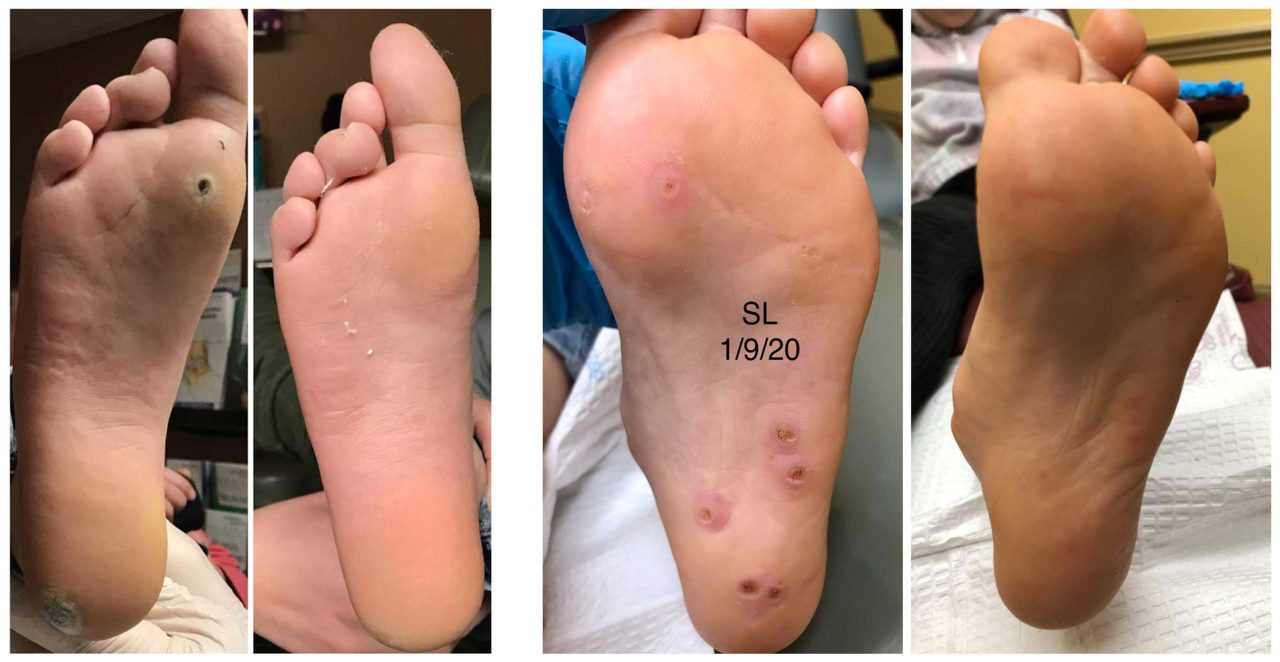 Plantar Warts vs. Corns & Calluses
Corns and Calluses: Understanding the Basics
Corns and calluses are your body’s natural response to repeated pressure and friction. Unlike plantar warts, these conditions aren’t caused by a virus but rather by mechanical stress on your skin.
Corns are small, concentrated areas of thickened skin that typically develop on the tops and sides of toes, particularly where shoes rub against the skin. They’re usually round with a hard center surrounded by inflamed skin. Corns can be quite painful, especially when direct pressure is applied to them.
Calluses, on the other hand, are larger areas of thickened, hardened skin that usually develop on the soles of your feet, particularly on the heels and balls of your feet. They’re typically painless and serve as a protective layer for your skin. However, if they become too thick, they can cause discomfort.
Both corns and calluses commonly develop due to ill-fitting shoes, high heels, or walking abnormalities that create uneven pressure distribution on your feet. People with foot deformities like hammertoes or bunions are more prone to developing these conditions.
The skin in corns and calluses appears thick and may have a yellow or grayish color. Unlike plantar warts, they don’t have black dots and aren’t caused by a viral infection.
Key Differences: Plantar Warts vs. Corns & Calluses
Understanding the differences between these conditions is crucial for proper wart treatment. Here are the main ways to distinguish them:
- Cause and Contagion: Plantar warts are caused by HPV and are contagious, meaning they can spread to other parts of your foot or to other people. Corns and calluses result from mechanical pressure and friction and are not contagious.
- Appearance: Plantar warts have a rough, bumpy surface with small black dots in the center. They’re usually round and can appear alone or in clusters. Corns are small, round areas of thick skin with a hard center. Calluses are larger, flat areas of thickened skin without a defined border.
- Pain Pattern: Plantar warts hurt most when you squeeze them from the sides (lateral pressure). Corns and calluses are most painful when direct pressure is applied from above, such as when walking or standing.
- Location: Plantar warts can appear anywhere on the sole of your foot, but they’re most common on weight-bearing areas. Corns typically develop on the tops and sides of toes, while calluses form on the soles of feet where pressure is greatest.
- Growth Pattern: Plantar warts tend to grow deeper into the skin due to walking pressure, while corns and calluses grow outward and can be easily seen as raised, thickened areas.
At-Home Examination: What to Look For
Examining your feet regularly can help you identify problems early and seek appropriate treatment. Here’s what to check for:
Start by washing and drying your feet thoroughly, then examine them in good light. Look for any changes in color, texture, or size of bumps or thickened areas.
For plantar warts, check for small, flesh-colored or gray bumps with tiny black dots. Try the “squeeze test” – gently squeeze the bump from the sides. If it’s painful, it’s likely a plantar wart. Also, notice if the skin lines don’t continue across the bump, as this is another sign of a wart.
For corns and calluses, look for areas of thick, hardened skin. Corns will appear as small, round areas with a hard center, often on toe tops or sides. Calluses appear as larger, flatter areas of thick skin, usually on the soles of your feet.
Pay attention to pain patterns. Note when the area hurts most – during walking, standing, or when touched in specific ways.
If you’re unsure about what you’re seeing, or if you have diabetes or circulation problems, don’t try to self-diagnose. It’s always best to consult with a podiatrist who can provide an accurate diagnosis and an appropriate treatment plan.
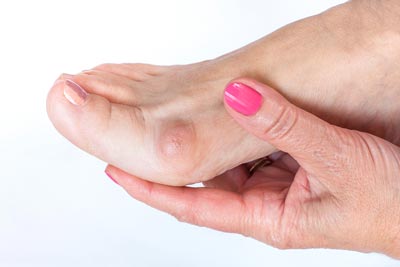 Plantar Wart vs Callus on Foot
Treatment Options: Relief from Flagstaff Foot and Ankle
At Flagstaff Foot and Ankle, Dr. Rosales offers comprehensive treatment options tailored to your specific condition and needs.
For plantar warts, professional treatment options include cryotherapy (freezing the wart with liquid nitrogen), topical medications like podophyllin resin or trichloroacetic acid, and advanced treatments like Swift microwave therapy. Dr. Rosales may also recommend prescription antiviral medications or laser therapy for stubborn warts. The practice also utilizes SWIFT technology, a cutting-edge treatment that uses controlled microwave energy to heat and destroy infected tissue.
For corns and calluses, treatment focuses on removing the thickened skin and addressing the underlying cause. This may include professional removal of the corn or callus, padding to redistribute pressure, and most importantly, custom orthotics to correct biomechanical issues that contribute to pressure points.
Custom orthotics play a crucial role in preventing the recurrence of both conditions. These specially designed shoe inserts help distribute pressure evenly across your foot, reducing the mechanical stress that leads to corns and calluses while also minimizing areas where plantar warts might develop due to skin breakdown.
The practice also offers same-day pain relief for acute symptoms, helping you get back to your normal activities as quickly as possible.
Prevention Strategies: Keeping Your Feet Healthy
Prevention is always better than treatment. Here are key strategies to protect your feet:
To prevent plantar warts, always wear shoes or sandals in public areas like pools, gyms, and locker rooms. Keep your feet clean and dry, and avoid walking barefoot in communal areas. Don’t share towels, shoes, or socks with others, and change your socks daily.
For corns and calluses prevention, choose properly fitted shoes with adequate toe room and good arch support. Avoid high heels and narrow shoes that squeeze your toes. Use protective padding on areas prone to friction, and keep your feet moisturized to prevent dry, cracked skin that’s more susceptible to pressure damage.
Regular foot care is essential for everyone. This includes washing your feet daily, drying them thoroughly (especially between toes), trimming nails properly, and inspecting your feet regularly for any changes or problems.
If you have foot deformities or biomechanical issues, consider custom orthotics to help distribute pressure evenly and prevent pressure points from developing.
When to Seek Professional Help
While some foot conditions can be managed at home initially, certain situations require professional medical attention from a podiatrist.
Seek immediate care if you notice signs of infection, such as redness, swelling, warmth, pus, or red streaking around the affected area. If you have diabetes, circulation problems, or a compromised immune system, any foot problem should be evaluated professionally due to the increased risk of complications.
For plantar warts, see a podiatrist if over-the-counter treatments haven’t worked after several weeks, if the wart is spreading to other areas, if you have multiple warts, or if the wart is causing significant pain that interferes with walking.
For corns and calluses, professional treatment is needed if they’re causing severe pain, if you see signs of infection, if they keep returning despite proper foot care, or if they’re affecting your ability to walk normally.
Don’t ignore persistent foot pain or changes in your feet. Early intervention can prevent minor problems from becoming major complications.
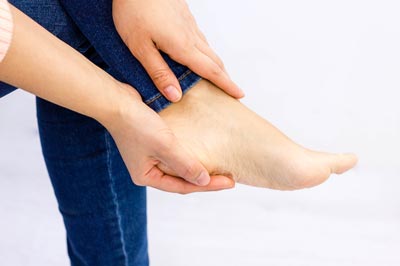 Plantar Wart vs Callus on Foot Treatment
Your Path to Pain-Free Feet
Understanding the differences between plantar warts, corns, and calluses is the first step toward getting the relief you need. While these conditions may seem similar, they require different approaches for effective treatment.
Remember that plantar warts are viral infections that are contagious and often have black dots, while corns and calluses are responses to pressure and friction. The pain patterns and locations can help you identify which condition you might have, but a professional diagnosis ensures you get the right treatment from the start.
At Flagstaff Foot and Ankle, Dr. Rosales and his team have helped over 40,000 people in Coconino and Yavapai Counties since 2005 find relief from various foot conditions. With their comprehensive treatment options, including advanced therapies like Swift technology for plantar warts and custom orthotics for pressure-related problems, you can get back to enjoying life without foot pain.
Don’t let foot discomfort hold you back from the activities you love. Whether you’re dealing with plantar warts, corns, calluses, or you’re simply not sure what’s causing your foot pain, the experienced team at Flagstaff Foot and Ankle is here to help you take that next step toward healthier, pain-free feet.
Flagstaff Foot Doctors: Anthony Rosales DPM
https://www.google.com/maps?cid=8835841318590452161
421 N Humphreys St, Flagstaff, AZ 86001, United States
(928) 774-4825
https://flagstafffootandankle.com/
