How to Choose the Right Shoes for Foot Health
When it comes to your health, your feet probably aren’t the first thing you think about. But they should be. Your feet are your foundation—literally. They carry your entire body weight and allow you to move through the world. Yet, far too many people walk through life in shoes that do more harm than good.
Whether you’re dealing with chronic foot pain, recovering from an injury, or just want to keep your feet in top shape, choosing the right shoes for foot health plays a critical role. This guide will walk you through everything you need to know—from understanding your foot type to knowing when to replace your shoes—and show you how a professional team like Flagstaff Foot and Ankle can help you step into better foot health.
Why Foot Health Starts with the Right Shoes
The Foundation of Your Body
Your feet are the base of support for your entire musculoskeletal system. When your shoes don’t provide the right support, it can lead to imbalances that affect your ankles, knees, hips, and even your back. Poorly designed shoes can shift your gait, increase strain on joints, and throw off your alignment—leading to pain and long-term damage.
Common Shoe-Related Problems
Footwear that’s too tight, lacks support, or fails to cushion the right areas can cause a host of issues, including:
- Bunionsfrom narrow toe boxes
- Plantar fasciitisdue to poor arch support
- Corns and callusesfrom friction or pressure points
- Hammertoes resulting from cramped shoe space
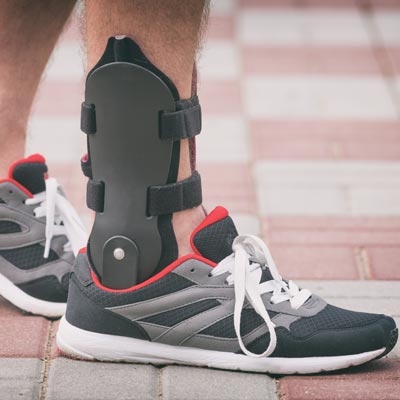 Right Shoes for Foot Health
Preventive Power of Proper Footwear
The good news? Most of these problems can be prevented—or at least minimized—by wearing shoes that match your foot’s natural shape and movement. The right shoes provide shock absorption, promote balance, and distribute weight evenly—helping you stay active and pain-free.
Know Your Foot Type Before You Shop
Flat Feet, High Arches, and Neutral Arches
Understanding your foot type is the first step in choosing the right shoes. Here’s a quick breakdown:
- Flat feetoften need extra arch support and motion control.
- High archesrequire more cushioning to absorb shock.
- Neutral archesbenefit from stability shoes with balanced support and flexibility.
How to Identify Your Foot Shape
One simple way to learn your foot type is the “wet test.” Wet your feet, step onto a paper bag, and examine the imprint:
- A full print = flat feet
- A narrow midsection = high arches
- A balanced arch = neutral
You can also visit a podiatrist or specialist for a professional gait analysis or pressure mapping.
Why Foot Shape Matters
Shoes that don’t complement your foot type can cause strain and fatigue. For example, a flat-footed runner in a neutral shoe may experience knee pain, while someone with high arches in overly stiff shoes may feel heel discomfort.
Common Foot Problems and How the Right Shoes Can Help
Plantar Fasciitis
This painful condition involves inflammation of the ligament supporting your foot’s arch, often caused by poor arch support. To ease the pain and prevent further strain, look for shoes with firm midsoles, deep heel cups, and ample cushioning to stabilize your arch.
Bunions and Hammertoes
Pointy or cramped shoes can worsen bunions or cause toes to become misshapen over time. Protect your feet by choosing shoes with a wide toe box that allows your toes to spread naturally and reduces unnecessary pressure.
Heel Pain and Achilles Tendonitis
Wearing low-quality or unbalanced footwear can overstrain your heel and Achilles tendon, leading to discomfort in every step. Instead, opt for shoes with a slightly elevated heel, supportive heel backs, and cushioned soles to ease impact and reduce tension.
Key Features of a Healthy Shoe
Arch Support and Cushioning
Proper arch support is critical to maintaining your foot’s natural alignment, especially if you fall into categories like flat feet or high arches. Pair this with good cushioning, and you’ll reduce the impact on your feet during daily activities like walking or running.
Roomy Toe Box
Your toes should never feel cramped! A shoe with a spacious toe box allows your toes to spread naturally, helping to prevent irritation, deformities (like bunions), and circulation issues. Say goodbye to narrow or overly-pointed styles that squeeze your toes into submission.
Rigid Heel Counter
Ever notice the firm section at the back of your shoe, supporting your heel? This is the rigid heel counter, a must-have for stability. It minimizes unwanted movement, secures your foot, and significantly lowers the risk of problems like ankle sprains or over-pronation.
The Dangers of Fashion Over Function
High Heels and Narrow Shoes
While they may look stylish, high heels shift your body weight forward, putting intense pressure on the ball of your foot. Over time, they can cause bunions, hammertoes, and shortened calf muscles.
Flip-Flops and Minimalist Footwear
Flip-flops offer minimal arch support and expose your feet to the environment, making them a poor choice for long-term wear. Similarly, minimalist shoes without cushioning or support can lead to overuse injuries.
Striking a Balance
You don’t have to sacrifice style for health. Look for brands that blend aesthetics with biomechanics. Features like memory foam insoles, arch support, and orthopedic footbeds are becoming more common in stylish designs.
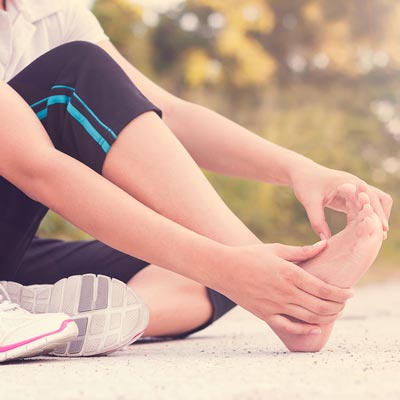 Shoes Role in Foot Health
Shoe Shopping Tips for Maximum Comfort
Shop Later in the Day
Did you know your feet naturally swell throughout the day? By shopping in the evening, you’ll choose a size that comfortably accommodates your feet at their largest, reducing the risk of tightness and discomfort.
Always Try on Both Shoes
Everyone has one foot that’s slightly bigger than the other. Avoid cramping or pinching by trying on both shoes and making your purchase based on the larger foot. Your feet will thank you.
Take Them for a Test Walk
Standing still isn’t enough! Walk around the store to get a real feel for the shoes. Pay close attention to how they support key areas like your heel, arch, and toes. A good fit should feel supportive, not restrictive.
Special Considerations for Specific Needs
Diabetic Footwear
For individuals with diabetes, foot care is critical. Look for:
- Seamless interiors
- Extra-depth toe boxes
- Soft, protective linings
These reduce the risk of blisters, ulcers, and infections.
Athletic and Activity-Based Shoes
Running shoes, walking shoes, and cross-trainers are designed for different motions and levels of impact. Choose a pair based on your activity, ensuring proper shock absorption, lateral support, and flexibility.
Occupational Footwear
If your job requires hours on your feet, invest in high-quality shoes with excellent arch support and cushioning. Occupations like nursing, teaching, and food service often demand shoes designed to minimize fatigue and provide all-day comfort.
When to Replace Your Shoes
Signs of Wear and Tear
Inspect your shoes regularly. Common red flags include:
- Uneven tread patterns
- Flattened cushioning
- Visible creasing in the insole
- Fraying or detached soles
Mileage Matters
As a rule of thumb:
- Running shoes: replace every 300–500 miles
- Walking shoes: replace every 6–9 months
- Daily wear shoes: check every 8–12 months
Why Timely Replacement Is Crucial
Old shoes lose their supportive features, increasing your risk of injury. Continuing to wear them may cause your body to overcompensate—leading to ankle, knee, or lower back pain.
How Custom Orthotics Enhance Shoe Support
What Are Orthotics?
Feet Orthotics are specially designed shoe inserts that correct biomechanical imbalances. Unlike generic insoles, custom orthotics are molded to your foot for maximum support and comfort.
Who Needs Them?
Orthotics are helpful for people with:
- Flat feet or high arches
- Plantar fasciitis
- Arthritis
- Chronic foot, knee, or back pain
How to Use Orthotics Correctly
Orthotics should be paired with shoes that have removable insoles and enough interior depth to fit them properly. Your shoes and orthotics must work together to ensure full contact and alignment.
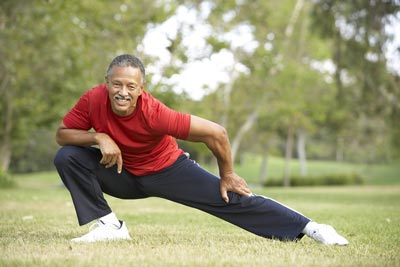 Foot Health & Shoes
Flagstaff Foot and Ankle: Your Partner in Foot Health
Expert Assessment and Diagnosis
At Flagstaff Foot and Ankle, foot health begins with accurate diagnosis. Their experienced team of podiatrists uses advanced technology and biomechanical assessments to evaluate foot function, arch structure, and gait patterns. This allows them to pinpoint the cause of pain and recommend precise solutions—whether it’s a structural issue or a shoe-related problem.
Custom Orthotics and Footwear Guidance
Choosing the right shoes can feel overwhelming, but Flagstaff Foot and Ankle makes it easier. Their specialists offer custom orthotics tailored to your feet, along with professional advice on which shoes will best support your lifestyle and health needs. Whether you’re a runner, a busy professional, or managing a condition like diabetes, they’ll help you find the perfect fit.
A Holistic Approach to Foot Health
Flagstaff Foot and Ankle takes a whole-body approach to foot care. Their services go beyond treating symptoms—they focus on long-term prevention and education. By addressing everything from injury recovery to daily foot maintenance, they empower patients to make smarter choices about footwear, activity levels, and lifestyle habits.
Step Into Health with the Right Footwear
Your feet are your daily workhorses—taking thousands of steps every day. Choosing the right shoes isn’t just about comfort or style; it’s about protecting your health, enhancing mobility, and preventing long-term problems.
At Flagstaff Foot and Ankle, we are dedicated to helping you take better care of your feet. Our expert team offers comprehensive assessments, custom orthotics, and shoe guidance tailored to your unique needs. Whether you’re managing a chronic condition or simply looking for more comfort, we’re here to support you—step by step.
Ready to put your best foot forward?
Contact Flagstaff Foot and Ankle today to schedule an evaluation and start walking your way to healthier feet.
Flagstaff Foot Doctors: Anthony Rosales DPM
https://www.google.com/maps?cid=8835841318590452161
421 N Humphreys St, Flagstaff, AZ 86001, United States
(928) 774-4825
https://flagstafffootandankle.com/
