Understanding Tarsal Tunnel Syndrome: Symptoms, Causes, and Treatments
Tarsal Tunnel Syndrome is a condition that many aren’t familiar with, yet it can cause significant discomfort and disrupt daily life. Though less common than its well-known counterpart, Carpal Tunnel Syndrome, Tarsal Tunnel Syndrome brings its own set of challenges and deserves attention, especially if you’re experiencing unexplained foot or ankle pain.
This blog will guide you through everything you need to know about Tarsal Tunnel Syndrome, how it differs from Carpal Tunnel Syndrome, its symptoms, and the various treatment options available. Understanding this condition is the first step toward finding relief and improving your quality of life.
What Is Tarsal Tunnel Syndrome?
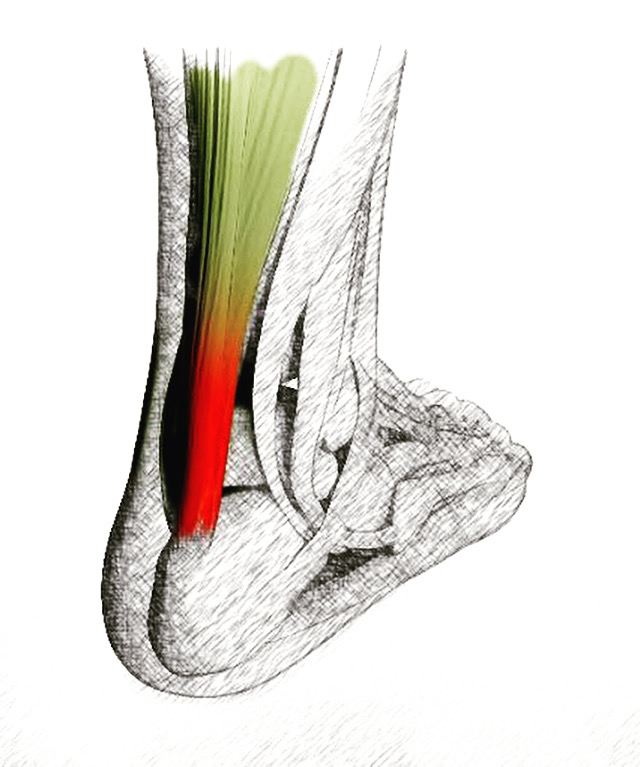 Tarsal Tunnel SyndromeAt its core, Tarsal Tunnel Syndrome is a nerve condition involving pressure or compression on the tibial nerve as it passes through a narrow structure called the tarsal tunnel. Located on the inside of the ankle, this tunnel is surrounded by bones and ligaments, which protect the nerve under normal conditions. However, when pressure increases in this area, the tibial nerve can become “pinched,” leading to symptoms that range from mild discomfort to debilitating pain.
You might think of it as the foot’s version of Carpal Tunnel Syndrome—a condition many associate with the wrist and hand. Both situations involve the compression of a key nerve within a confined space, causing symptoms that radiate beyond the site of the issue.
The Link Between Tarsal Tunnel and Carpal Tunnel
The similarities between Tarsal Tunnel Syndrome and Carpal Tunnel Syndrome aren’t coincidental. Both involve nerve compression within a small anatomical “tunnel” area. While Carpal Tunnel Syndrome affects the median nerve in the wrist, Tarsal Tunnel Syndrome impacts the tibial nerve in the foot.
Symptoms for both conditions can include tingling, burning, numbness, and shooting pain. However, in Tarsal Tunnel Syndrome, the pain often extends to the sole, arch, or toes of the foot instead of the hands and fingers. The shared mechanics of these conditions mean that understanding one often helps in recognizing and diagnosing the other.
Symptoms of Tarsal Tunnel Syndrome
Recognizing symptoms early can make a big difference in managing Tarsal Tunnel Syndrome. The following are common indicators of the condition:
- Tingling and Numbness: You may notice a pins-and-needles sensation, often described as tingling or numbness, affecting the bottom or inside of the foot. These feelings can occur even when you’re resting or lying down.
- Burning Sensation: A persistent burning sensation is another hallmark of nerve pain. This discomfort often radiates across the arch of the foot or toward the toes.
- Sharp, Shooting Pain: Pain might come on suddenly and feel like an electric shock. This can make walking or even simply putting on shoes significantly uncomfortable.
- Aching or Pressure: A deep, dull ache is another common symptom of Tarsal Tunnel Syndrome. Unlike other foot conditions, this type of pain can strike when you’re sitting or not bearing weight on your foot.
What Causes Tarsal Tunnel Syndrome?
Several factors can increase the likelihood of developing Tarsal Tunnel Syndrome:
- Overuse or Strain: Activities like running, standing for long periods, or repetitive foot movements can place stress on the tarsal tunnel.
- Foot Structure Abnormalities: Flat feet or very high arches can add to the pressure on the tibial nerve.
- Inflammation or Swelling: Conditions, such as arthritis or a sprained ankle, can cause the tissues in the area to swell and compress the nerve.
- Shoes: Tight or poorly fitting shoes can irritate the nerve and exacerbate symptoms.
Understanding the causes can help identify lifestyle changes or preventative measures to reduce the risk of developing this condition.
Why Early Diagnosis Matters
The sooner Tarsal Tunnel Syndrome is diagnosed, the better the chances of managing symptoms with non-invasive methods. Left untreated, the condition can worsen over time, potentially limiting mobility and causing chronic pain.
Early intervention can prevent minor symptoms from becoming severe, ensuring faster and more effective treatment. If you’ve noticed tingling, burning, or unexplained aches in your foot or ankle, it’s a good idea to consult a specialist promptly.
Treatment Options for Tarsal Tunnel Syndrome
Fortunately, there are many approaches to treating this condition. Depending on the severity of your symptoms, your treatment plan might include a combination of the following:
- Custom Orthotics: Special shoe inserts can help support your foot, relieving excess pressure on the tarsal tunnel. For those with flat feet, orthotics can also correct biomechanical issues contributing to nerve compression.
- Laser Therapy: Advanced therapies, like laser treatments, can reduce inflammation and promote healing in the affected area. These techniques are painless and non-invasive.
- Physical Therapy: Exercises designed to stretch and strengthen the foot and ankle muscles can take pressure off the tibial nerve and improve mobility. Your therapist may also teach you how to adjust your stride or posture.
- Cortisone Shots: For more severe pain, injections of corticosteroids can help by reducing swelling around the nerve. This can provide temporary relief while other treatments address the root cause.
- Footwear Adjustments: Wearing supportive, well-fitting shoes is essential. Your doctor might recommend specific brands or styles that offer better arch support and cushioning.
- Surgical Intervention: Surgery is generally considered a last resort if conservative measures fail. Surgeons may need to release the ligament compressing the nerve, freeing it from chronic pressure.
Taking the Next Step Toward Relief
If you’re dealing with unexplained foot pain, don’t wait to seek help. At Flagstaff Foot and Ankle, we specialize in diagnosing and treating conditions like Tarsal Tunnel Syndrome, ensuring you receive comprehensive care tailored to your needs.
Our team is dedicated to exploring non-invasive solutions first, helping to reduce your pain and restore mobility quickly, and hopefully without the need for surgery. Call us today to schedule a consultation and take the first step toward living pain-free.
Key Takeaway
Tarsal Tunnel Syndrome might not be as commonly discussed as its counterpart, Carpal Tunnel Syndrome, but its impact can be just as serious, if not more so. The good news is that with early diagnosis and the right treatment, you can find relief and get back to enjoying your daily activities. Don’t ignore the warning signs. A simple evaluation can make all the difference in your recovery.
Flagstaff Foot Doctors: Anthony Rosales DPM
https://www.google.com/maps?cid=8835841318590452161
421 N Humphreys St, Flagstaff, AZ 86001, United States
(928) 774-4825
https://flagstafffootandankle.com/
