Why You Should Treat Toenail Fungus Immediately
If you’re experiencing discolored, thickened, and brittle toenails, it could be a sign of toenail fungus. Toenail fungus is a common but serious problem that can cause permanent damage if left untreated – so addressing the issue promptly is paramount. In this blog post, we’ll discuss why the sooner you treat your toenail fungus the better off you’ll be in the long run. We’ll explore everything from health risks to potential treatments and more – giving you all the information necessary for making an informed decision when dealing with this condition. Let’s take a closer look!
What is Toenail Fungus Problem
Toenail fungus, also known as Onychomycosis, is a common condition that affects millions of people worldwide. This condition occurs when fungi enter the nail bed through a small cut or separation between the nail and the nail bed. The fungus can cause the nail to become thick, discolored, and brittle, and may even emit an unpleasant odor. Other symptoms of toenail fungus include flaking, cracking, and separation of the nail from the nail bed. While it may not be life-threatening, toenail fungus can be a source of discomfort and embarrassment for many individuals. Early diagnosis and treatment are essential to prevent the condition from spreading and causing further damage.
Understand the Causes
It is more prevalent in older adults and those with pre-existing medical conditions such as diabetes, anyone can develop toenail fungus. However, certain factors contribute to the development of this condition more than others. For instance, wearing tight-fitting shoes, walking barefoot in damp public places like locker rooms and showers, and having a weakened immune system increase the likelihood of getting infected. Additionally, nail injuries, poor hygiene, and sweaty feet can also increase the risk of developing toenail fungus. Understanding these factors and taking the necessary precautions can help prevent the occurrence of this common nail infection.
 Swollen Toe Treatment
Overview of Treatment Options
Fortunately, there are numerous treatment options available to manage and eliminate toenail fungus. These range from over-the-counter topical creams to prescription oral medications. Topical treatments typically involve the application of anti-fungal creams or ointments to the affected nail, while oral medications work internally to combat the fungus. Consulting with a medical professional is recommended to determine the best course of treatment for each individual case. With proper management, toenail fungus can be successfully treated and prevented from recurring.
Delve into Prevention
As our feet endure daily wear and tear, it’s imperative to take a closer look at their health, especially when it comes to toenail fungus. While this condition is common, it can be easily prevented with the right steps and habits. Practicing good hygiene, avoiding walking barefoot in public places, wearing breathable shoes and socks, keeping nails trimmed, and not sharing personal grooming tools can all contribute to preventing toenail fungus from developing or recurring. By incorporating these habits into your daily routine, you can ensure healthy, happy feet. Remember, prevention is always better than cure.
Wrap Up with Resources for Support
When it comes to toenail fungus treatment and prevention, it’s always best to turn to professionals for help. You don’t have to suffer anymore with the embarrassment and discomfort that comes with fungal infections. Thankfully, there are plenty of resources available to you. A quick online search can provide a wealth of information on local podiatrists, dermatologists, and treatment options in your area. And if you’re looking for additional support and guidance, consider joining online groups or forums where you can connect with others who are going through the same experience. Remember, taking care of your feet is essential to your overall health and well-being, so don’t hesitate to seek professional help when you need it.
Contrary to popular belief, toenail fungus is not a problem that you need to live with forever. With the right preventative measures and treatments, you can manage your toenail fungus or even see it virtually eliminated. It’s important to consult your doctor first before trying any preventative strategies or medications so they can help personalize a plan suited specifically for you. Don’t give up! Investing time into researching and preventing further spread will be beneficial for your physical health as well as self-confidence in the long run.
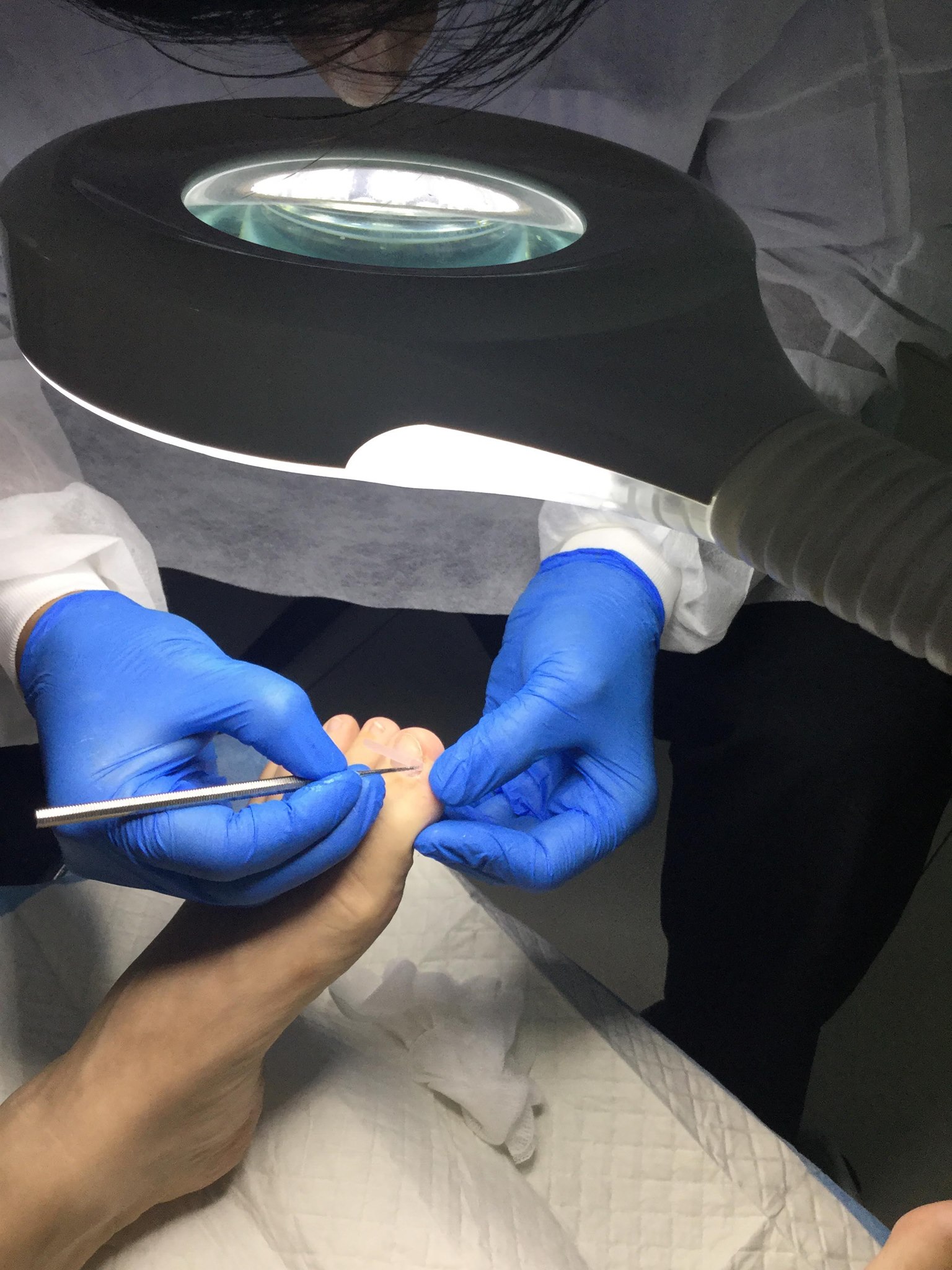 Toenail Fungus
Flagstaff Foot Doctors: Anthony Rosales DPM
https://www.google.com/maps?cid=8835841318590452161
421 N Humphreys St, Flagstaff, AZ 86001, United States
(928) 774-4825
https://flagstafffootandankle.com/
