Recovering from Foot Surgery: What You Need to Know
Picture this: you've just undergone foot surgery to address a persistent ankle issue, and while the procedure is a step towards improved mobility, the recovery journey may seem overwhelming. From navigating the immediate post-surgery phase to regaining full function, the path to recovery requires careful planning and perseverance. This article will delve into the essential aspects of foot surgery recovery, providing insights and strategies to help you emerge stronger and more resilient.
Navigating the Initial Days Post-Surgery
Recovering from foot surgery requires careful attention and adherence to post-operative guidelines, especially during the initial days. The first step in a successful recovery is effective pain management. Patients should follow their healthcare provider’s instructions regarding prescribed pain medications, which are crucial in controlling discomfort and reducing inflammation. Using ice packs and elevating the foot can also help alleviate swelling and pain. It is essential to maintain open communication with the medical team about any pain levels to adjust medications as needed, ensuring a comfortable recovery process.
Mobility is another critical aspect of recovery in the early days following surgery. While it is important to stay mobile to prevent stiffness and promote circulation, patients must adhere to specific movement restrictions to avoid compromising the surgical site. A healthcare provider may recommend using crutches, a walker, or a cane to assist with mobility while minimizing pressure on the affected foot. Gradually increasing activity levels, as directed by the healthcare team, helps in regaining strength and mobility safely. Attention to balance and careful movements can significantly reduce the risk of falls or injuries during this sensitive phase.
Proper care and hygiene of the surgical site are paramount to prevent infections and complications. Patients should follow their healthcare provider’s instructions for wound care, including keeping the area clean and dry and changing dressings as prescribed. Monitoring the surgical site for any signs of infection, such as redness, swelling, or unusual discharge, is vital. Additionally, patients should attend all follow-up appointments with their healthcare provider to monitor progress and address any concerns promptly. By carefully managing pain, maintaining appropriate mobility, and ensuring diligent care of the surgical site, patients can enhance their recovery experience and support optimal healing during the initial days post-surgery.
 Foot Surgery
Embracing Rest and Controlled Movement
Recovering from foot surgery requires a delicate balance between rest and controlled movement to ensure optimal healing and comfort. Rest is a crucial component of the recovery process, allowing the body to repair and regenerate tissues that have been affected during surgery. It is essential for patients to adhere to their healthcare provider’s recommendations regarding rest periods. Adequate rest helps minimize swelling and pain, providing the body with the necessary time to heal. By prioritizing rest, patients can significantly reduce the risk of complications and expedite the overall recovery process, laying a strong foundation for a successful return to normal activities.
While rest is vital, incorporating controlled movement into the recovery plan is equally important. Controlled movement helps prevent stiffness and promotes circulation, which is essential for maintaining joint flexibility and strength. Engaging in gentle, prescribed exercises can aid in restoring mobility and function to the affected foot. Healthcare providers often recommend specific exercises that focus on range of motion and strengthening to gradually reintroduce movement without overburdening the surgical site. This approach not only helps in preventing muscle atrophy but also reduces the risk of blood clots, which can be a concern after surgery.
To effectively manage recovery, patients should follow a structured plan that carefully balances rest with controlled movement. Patients are encouraged to listen to their bodies and communicate with their healthcare teams about any discomfort or difficulties experienced during this phase. Modifying activities as needed and adhering to the recommended guidelines ensures a smoother recovery. Additionally, pacing oneself and avoiding overexertion are key to preventing setbacks. By embracing both rest and controlled movement, patients can enhance their healing process, ultimately achieving a successful recovery and a return to the activities they enjoy.
Pain Management Techniques
Recovering from foot surgery can be a challenging process, but effective pain management techniques can significantly enhance the recovery experience. One of the primary methods of managing pain is through medication. Surgeons typically prescribe pain relievers that help control discomfort and inflammation, which are common after surgery. It's crucial for patients to adhere to their prescribed medication schedule to maintain a consistent level of pain relief, allowing them to focus on healing. In addition to prescription medications, over-the-counter options like acetaminophen or ibuprofen can be used as advised by the healthcare provider to further alleviate pain and reduce swelling.
Physical therapy plays a pivotal role in pain management and recovery after foot surgery. Through tailored exercises and movements, physical therapists help patients regain strength and flexibility while minimizing pain. These exercises are designed to promote circulation, reduce stiffness, and improve joint function, which are all critical for a successful recovery. Physical therapists also employ techniques such as massage, heat application, and ultrasound therapy to relieve pain and enhance mobility. By following a structured therapy program, patients can experience a noticeable reduction in pain levels, leading to a smoother and faster recovery process.
Alternative pain management methods can also be beneficial when recovering from foot surgery. Techniques such as acupuncture, meditation, and relaxation exercises can provide additional relief and improve overall well-being. Acupuncture, in particular, has been shown to help reduce pain by stimulating the body's natural pain-relieving mechanisms. Mindfulness practices like meditation and deep breathing exercises can assist patients in managing stress and anxiety, which often accompany surgical recovery. By integrating these alternative methods with conventional pain management strategies, patients can achieve a more holistic approach to recovery, ultimately enhancing their comfort and quality of life during the healing journey.
The Role of Physical Therapy in Ankle Recovery
Physical therapy is a vital component of the recovery process following ankle surgery, playing a crucial role in helping patients restore strength, flexibility, and mobility. After surgery, the ankle is often stiff and weak, making it challenging to resume normal activities. Physical therapists design individualized rehabilitation programs that focus on strengthening the muscles around the ankle, improving joint flexibility, and enhancing overall balance. These tailored exercises not only help in rebuilding the ankle’s functional capacity but also reduce the risk of future injuries by stabilizing the joint, allowing patients to regain confidence in their movement.
In addition to strengthening exercises, physical therapy incorporates various techniques to promote healing and reduce discomfort. Techniques such as manual foot therapy, ultrasound, and electrical stimulation are often employed to manage pain and swelling, facilitating a more comfortable recovery. Physical therapists also guide patients through range-of-motion exercises that gently stretch the ankle, preventing scar tissue build-up and improving flexibility. By systematically increasing the intensity and complexity of these exercises, patients can gradually restore their ankle’s full range of motion, which is essential for performing daily tasks without limitations.
The benefits of physical therapy extend beyond physical recovery, as it also provides psychological support to patients navigating the post-surgical healing journey. Regular sessions with a physical therapist offer reassurance and motivation, helping patients stay committed to their recovery goals. As patients progress through their rehabilitation program, they experience a sense of accomplishment and improved well-being, which can significantly boost their morale. Ultimately, physical therapy empowers patients to take an active role in their recovery, ensuring they can return to their daily activities with renewed strength and confidence. By embracing the structured guidance and expertise of physical therapy, patients can optimize their recovery outcomes and enjoy a smoother transition back to a fulfilling and active lifestyle.
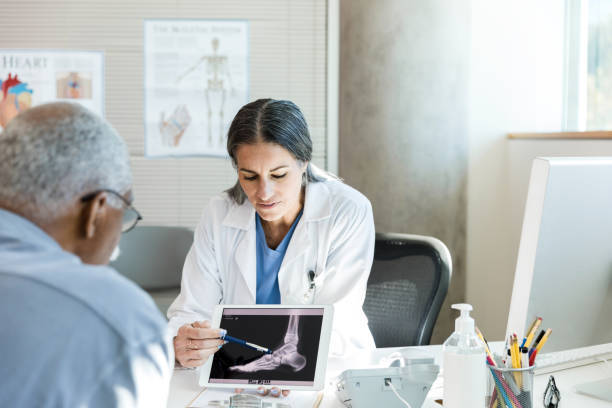 Foot Surgery Specialist
Protecting Your Surgical Site
Protecting the surgical site is paramount during the recovery process from foot surgery. Proper wound care is essential to facilitate healing and prevent complications. Patients should follow their healthcare provider’s instructions meticulously, which typically include keeping the wound clean and dry, changing dressings as advised, and avoiding any unnecessary pressure or friction on the area. Ensuring the surgical site remains undisturbed allows the body to focus on rebuilding tissues, reducing the chances of delayed healing or reopening the wound. By diligently managing the wound care routine, patients can significantly enhance their recovery and ensure a smoother healing journey.
Infection prevention is another critical aspect of protecting the surgical site. Keeping the area sanitized is crucial to ward off harmful bacteria that could lead to infections. Patients are encouraged to wash their hands thoroughly before touching the wound or changing dressings. Additionally, using sterile materials for dressings and adhering to a regular cleaning schedule are vital steps in maintaining a healthy environment for the wound. Monitoring the site for signs of infection, such as redness, swelling, or unusual discharge, and communicating with healthcare providers if any of these symptoms appear, can help address potential issues promptly and prevent complications.
Maintaining cleanliness around the surgical site extends beyond direct wound care. Patients should ensure their environment is clean and free from potential contaminants. This includes wearing clean socks or bandages, avoiding exposure to dirt or water, and taking precautions to prevent injury or strain to the operated area. Elevating the foot when possible can also aid in reducing swelling and promoting circulation, further supporting the healing process. By taking these protective measures, patients can create an optimal setting for recovery, reducing risks and paving the way for a successful return to their daily activities with minimal setbacks.
Adjusting Your Environment for Recovery
Recovering from foot surgery can be a challenging journey, but adjusting your environment to support this process can make a significant difference in your comfort and recovery speed. One of the first steps is to enhance accessibility throughout your home. This may involve rearranging furniture to create clear pathways, eliminating tripping hazards like loose rugs or cords, and ensuring essential items are within easy reach. Installing handrails or grab bars in areas like the bathroom can provide additional support and stability, making daily tasks safer and less strenuous. These modifications help create a space that accommodates limited mobility, reducing the risk of accidents and promoting independence during recovery.
Safety is paramount during the recovery phase, and some simple adjustments can go a long way in preventing injuries. Consider placing non-slip mats in areas prone to moisture, such as bathrooms and kitchens, to prevent slips and falls. Adequate lighting throughout the home is crucial, especially along pathways and staircases, to ensure you can navigate safely. If you use mobility aids like crutches or a walker, ensure there is enough space to maneuver comfortably without obstacles. These precautions not only safeguard your physical well-being but also provide peace of mind, allowing you to focus on healing without the added worry of potential mishaps.
Comfort plays a vital role in your overall well-being during the recovery period. Creating a comfortable rest area, complete with supportive pillows and blankets, can enhance relaxation and promote healing. Elevating your foot when resting helps reduce swelling and improves circulation, further aiding recovery. Consider setting up a dedicated recovery station with entertainment, snacks, and medications close by, minimizing the need to move unnecessarily. By thoughtfully adjusting your environment to prioritize accessibility, safety, and comfort, you can create a supportive space that facilitates a smoother recovery, allowing you to regain your strength and return to your daily activities more swiftly.
Mental and Emotional Resilience During Recovery
Recovering from foot surgery is not just a physical journey but also a mental and emotional one. The importance of maintaining mental and emotional resilience cannot be overstated, as these aspects significantly influence the overall recovery experience. During this time, patients may face challenges such as limited mobility, pain, and changes in daily routines, which can lead to feelings of frustration or anxiety. Developing resilience can help individuals navigate these challenges more effectively, allowing them to maintain a positive outlook and stay committed to their recovery goals.
One of the key strategies for enhancing mental and emotional resilience is learning to cope with stress. Practicing mindfulness and relaxation techniques, such as deep breathing exercises or meditation, can help manage stress levels and promote a sense of calm. Setting small, achievable goals throughout the recovery process can also provide a sense of accomplishment and motivation, helping to keep a positive mindset. It's essential to remind oneself that recovery is a gradual process, and celebrating each milestone, no matter how small, can boost morale and encourage perseverance.
Seeking support from friends, family, or professional foot treatment counselors can also play a crucial role in fostering resilience. Sharing experiences and concerns with loved ones can alleviate feelings of isolation and provide comfort and reassurance. Support groups, whether in-person or virtual, offer a platform to connect with others who have undergone similar experiences, enabling the exchange of advice and encouragement. Professional counseling can provide additional tools and techniques to help manage emotions and maintain mental well-being. By integrating these strategies into the recovery process, patients can enhance their resilience, leading to a more positive recovery experience and contributing to their overall well-being. This holistic approach not only supports physical healing but also nurtures the mental and emotional strength needed to return to daily life with renewed vigor and confidence.
 Foot Surgery and Treatment
Conclusion
Recovering from foot surgery, particularly for the ankle, is a journey that demands patience, dedication, and a proactive approach. By following your medical team's advice, engaging in physical therapy, and making necessary lifestyle adjustments, you can enhance your recovery and enjoy a quicker return to pain-free mobility. Remember, each step forward is a testament to your resilience and commitment to a healthier, more active life. By prioritizing your physical, environmental, and mental well-being during this time, you can pave the way for a successful recovery and look forward to regaining your full range of motion and independence. So stay positive, be patient with yourself, and keep taking those small steps towards complete healing – you've got this!
Flagstaff Foot Doctors: Anthony Rosales DPM
https://www.google.com/maps?cid=8835841318590452161
421 N Humphreys St, Flagstaff, AZ 86001, United States
(928) 774-4825
