Cold toes may seem like a minor inconvenience, but they could be a sign of serious underlying health conditions. While everyone experiences cold feet now and then, persistent cold toes shouldn’t be ignored. It could be your body’s way of signaling that something’s not quite right. Two of the most common culprits behind cold toes are Peripheral Arterial Disease (PAD) and Raynaud’s Phenomenon. Let’s explore these conditions, their symptoms, and why you should take action if your toes are unusually cold.
Peripheral Arterial Disease (PAD)
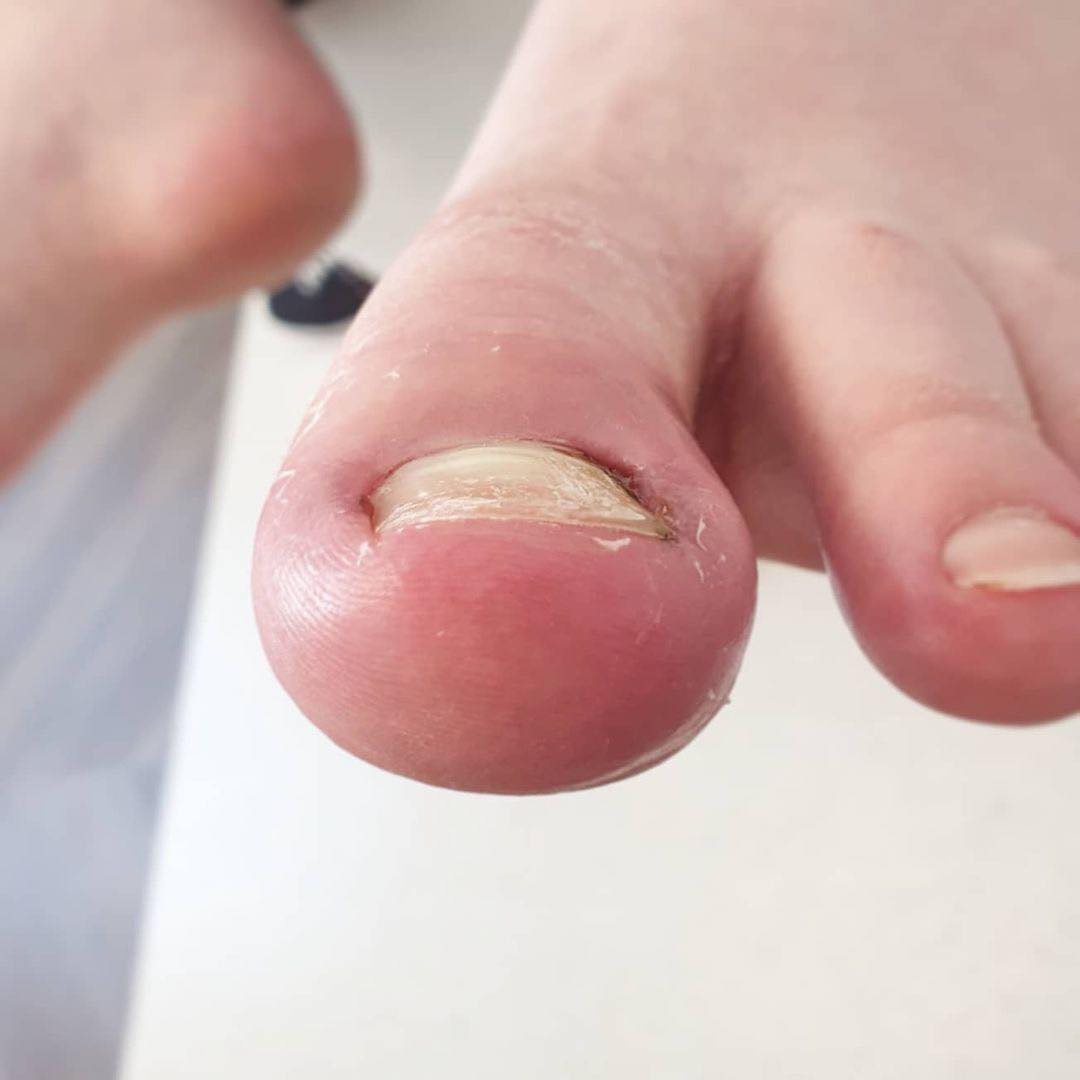 Toe DeformitiesPeripheral Arterial Disease is a condition where poor circulation, often caused by clogged arteries, restricts blood flow to your extremities. This lack of circulation can leave your toes feeling cold, and if left untreated, it may lead to serious consequences such as tissue damage or even amputation.
Older adults are more prone to PAD, and individuals with diabetes need to be particularly cautious. Poor circulation combined with diabetes-related nerve damage can create a dangerous situation for your feet. Fortunately, medical evaluation and early intervention can minimize these risks. Don’t brush off persistent cold toes as just an annoyance; they could be an early warning sign of PAD.
Raynaud’s Phenomenon
Another condition linked to cold toes is Raynaud’s Phenomenon. This condition is characterized by sudden spasms in the blood vessels that severely limit blood flow to the fingers and toes. Along with coldness, individuals with Raynaud’s may notice their toes turning white or purple when exposed to cold temperatures or stress. Over time, sores can even develop at the tips of the toes due to reduced blood supply.
Unlike PAD, Raynaud’s can affect people of all ages, even teenagers. If you experience symptoms like discolored toes or sores, it’s important to seek medical attention. Early diagnosis can help prevent complications and ease discomfort.
Why It Matters
Persistent cold toes are more than just a discomfort. They could signal a major artery blockage, poor circulation, or vascular spasms that need medical attention. Over time, ignoring these symptoms can lead to severe outcomes. Thankfully, a simple, noninvasive, and often insurance-covered test can help evaluate the blood flow to your toes and identify potential problems early.
How You Can Care for Your Toes
While seeking professional evaluation is the most important step, there are things you can do to protect your toes in the meantime. Keeping your feet consistently warm and avoiding prolonged exposure to cold temperatures can prevent further damage. Even short bursts of cold exposure can be harmful if you have underlying circulation issues, so bundle up those toes!
